


Senegalese Twists Gallery
$$MultiPurposeText$$
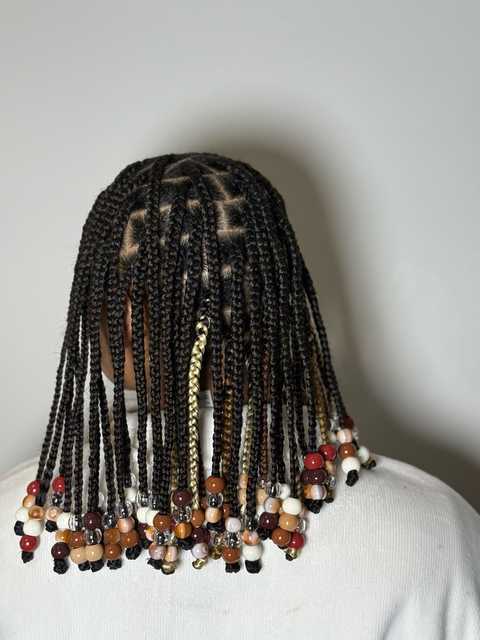
See examples of our Senegalese Twists work and results.




What Our Clients Say
$$MultiPurposeText$$
Read testimonials from our satisfied customers

I like my braid thank you so much 😍🥰

This is really an excellent place! Me and my daughter been going there for
almost 6 years ...more

My braids are always done amazing! The service is really good. Marry does an amazing job v...more

She is so beautiful and so sweet and has such a kind soul! I love going to her I’ve been g...more

I had positive experience at Bijuu house of stylist, they install my locks extension so we...more

My experience at bijuu was very great and loved the new place its very gorgeous

Frequently Asked Questions
Get answers to common questions about Senegalese Twists.
With proper installation and care Senegalese twists typically last four to eight weeks. Small sizes and longer lengths may last longer, but maintenance, gentle handling and occasional touch-ups will extend longevity while preserving hair health.
When installed correctly and not overly tight, Senegalese twists are a protective style that minimizes breakage. Keep your scalp moisturized, avoid excessive tension, and have a professional remove them to reduce risk of damage.
Wash gently every one to two weeks with diluted shampoo, rinse thoroughly, and air-dry or blow-dry on low. Moisturize scalp with lightweight oils, avoid heavy creams, and sleep on a satin scarf or pillowcase to prevent frizz.
Yes — you can swim and exercise with Senegalese twists, but protect hair from chlorine and salt water with a swim cap. Rinse hair promptly, rehydrate the scalp afterward, and air-dry fully to prevent odor or mildew.
Installation time varies by size, length, and parting but usually ranges from three to six hours. Smaller or more detailed parts take longer; schedule accordingly and discuss time estimates with your stylist during consultation.
Absolutely. Senegalese twists can be styled into high buns, ponytails, half-up looks, or accessorized with beads and cuffs. Be mindful of heavy, tight styles that pull at the roots to avoid unnecessary tension and scalp stress.